
 Español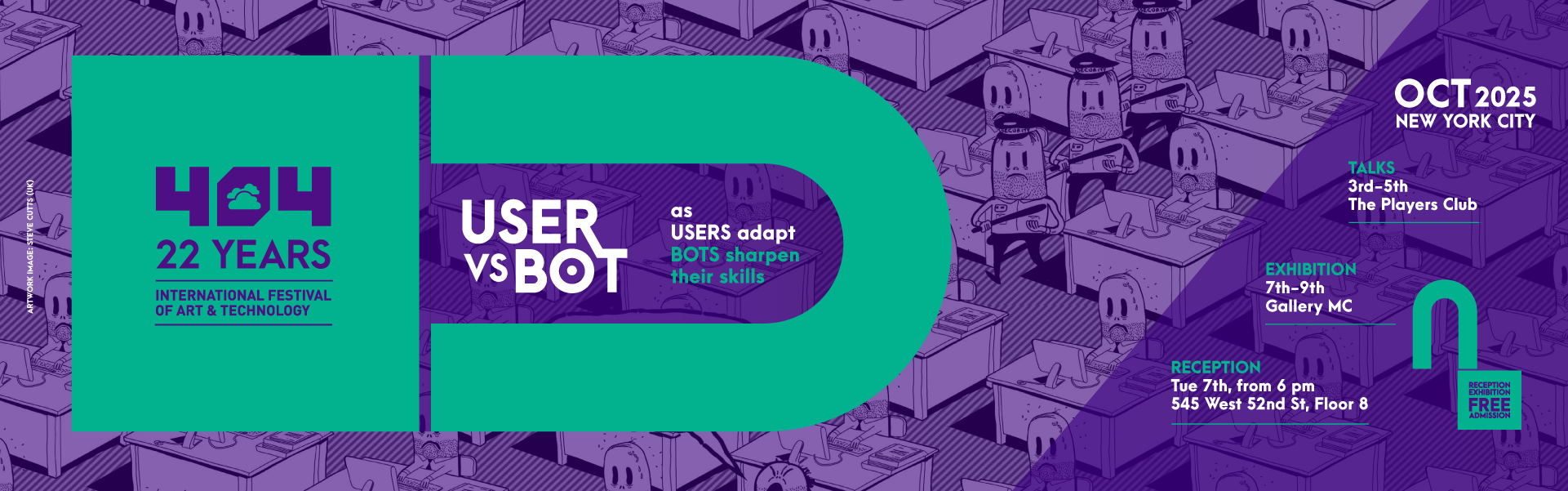
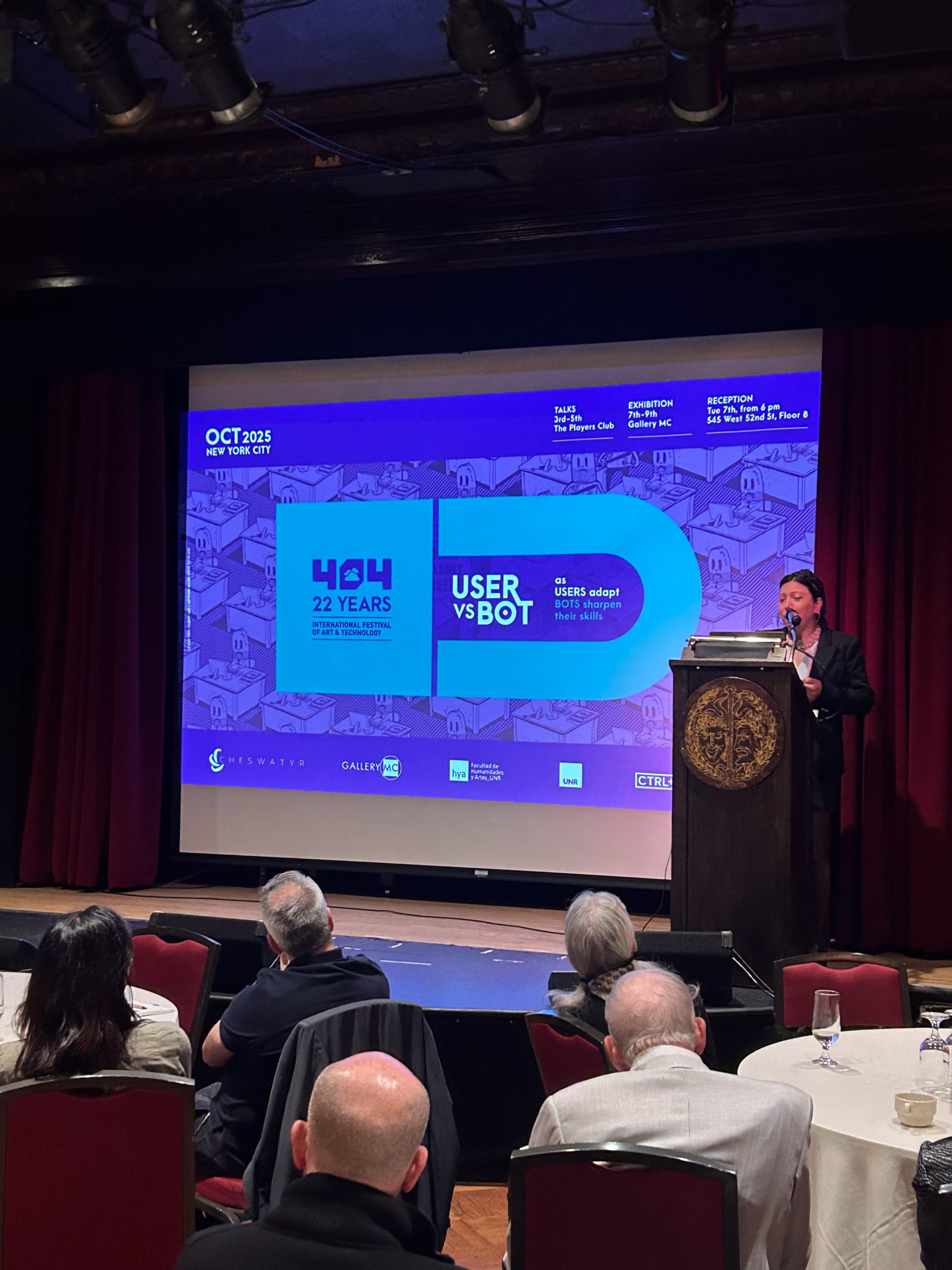
22th 404 International Festival of Art & Technology / USER VS. BOT 2025
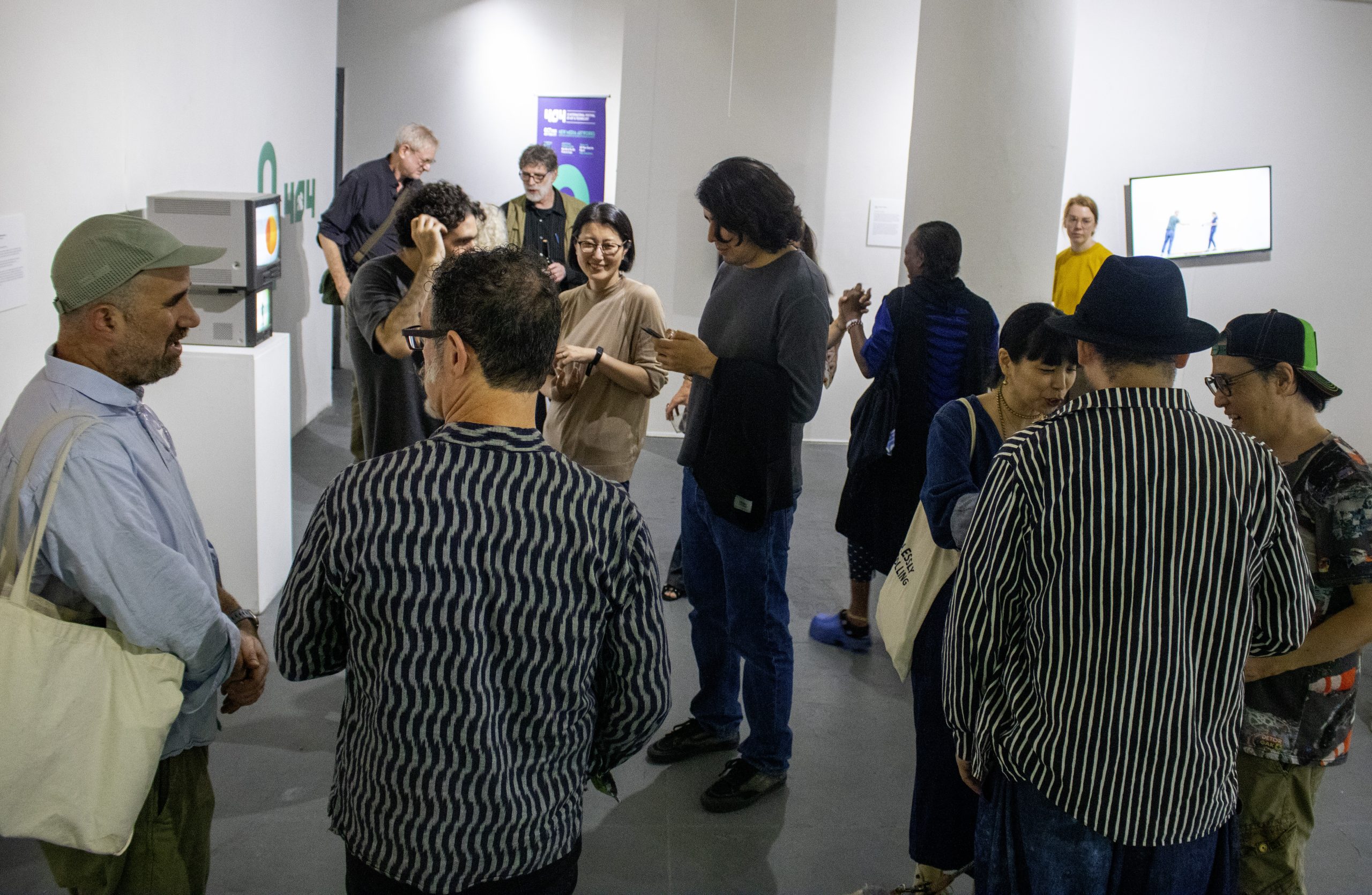
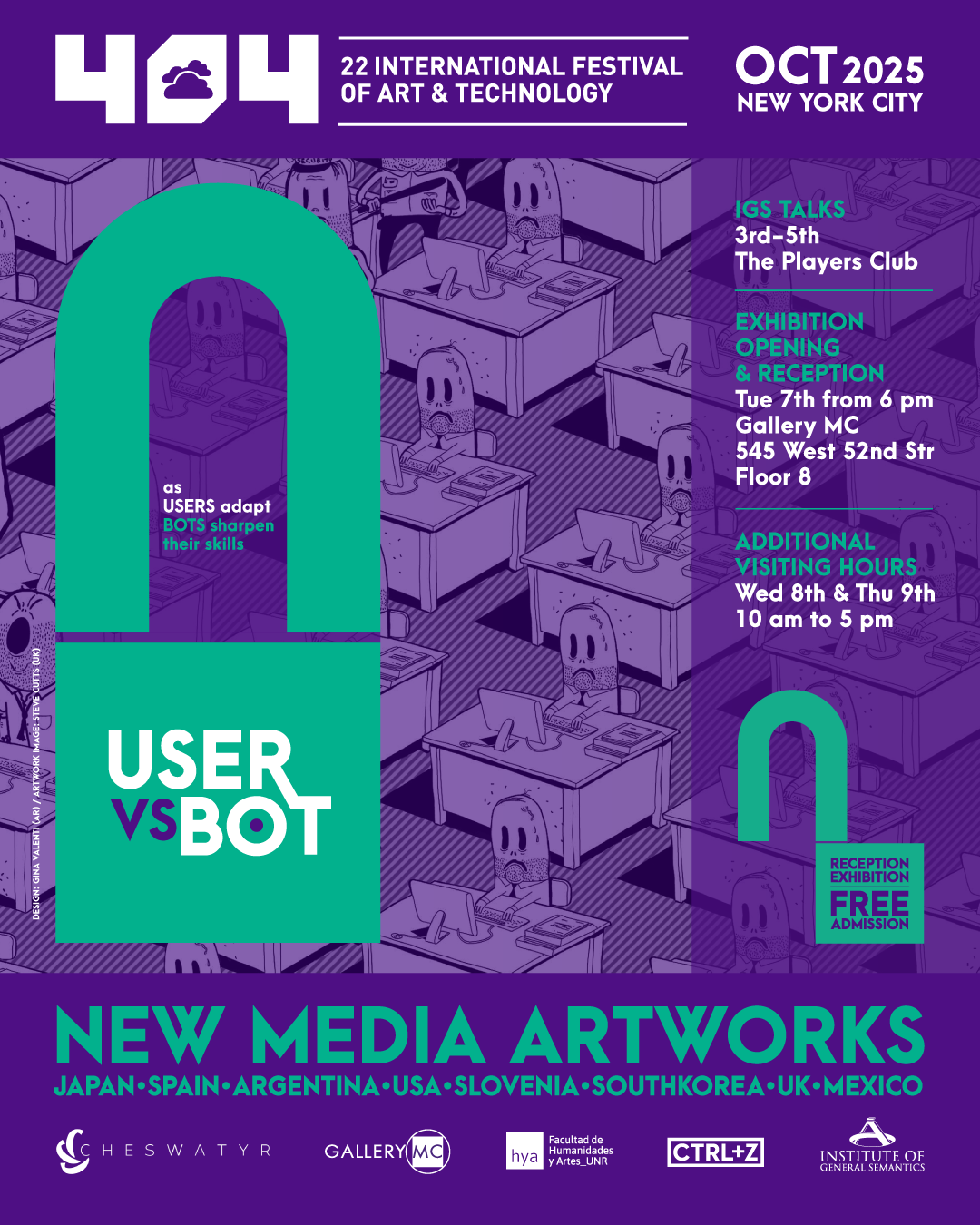
Please join us for USER vs. BOT, the 22nd anniversary of the “404 International Festival of Art and Technology,” to be held on the 8th floor of Gallery MC in New York City, 545 West 52nd St. The free opening reception will take place on Tues Oct 7 at 6 p.m., with the free exhibition continuing on the 8th and 9th from 10 a.m. to 5 p.m.
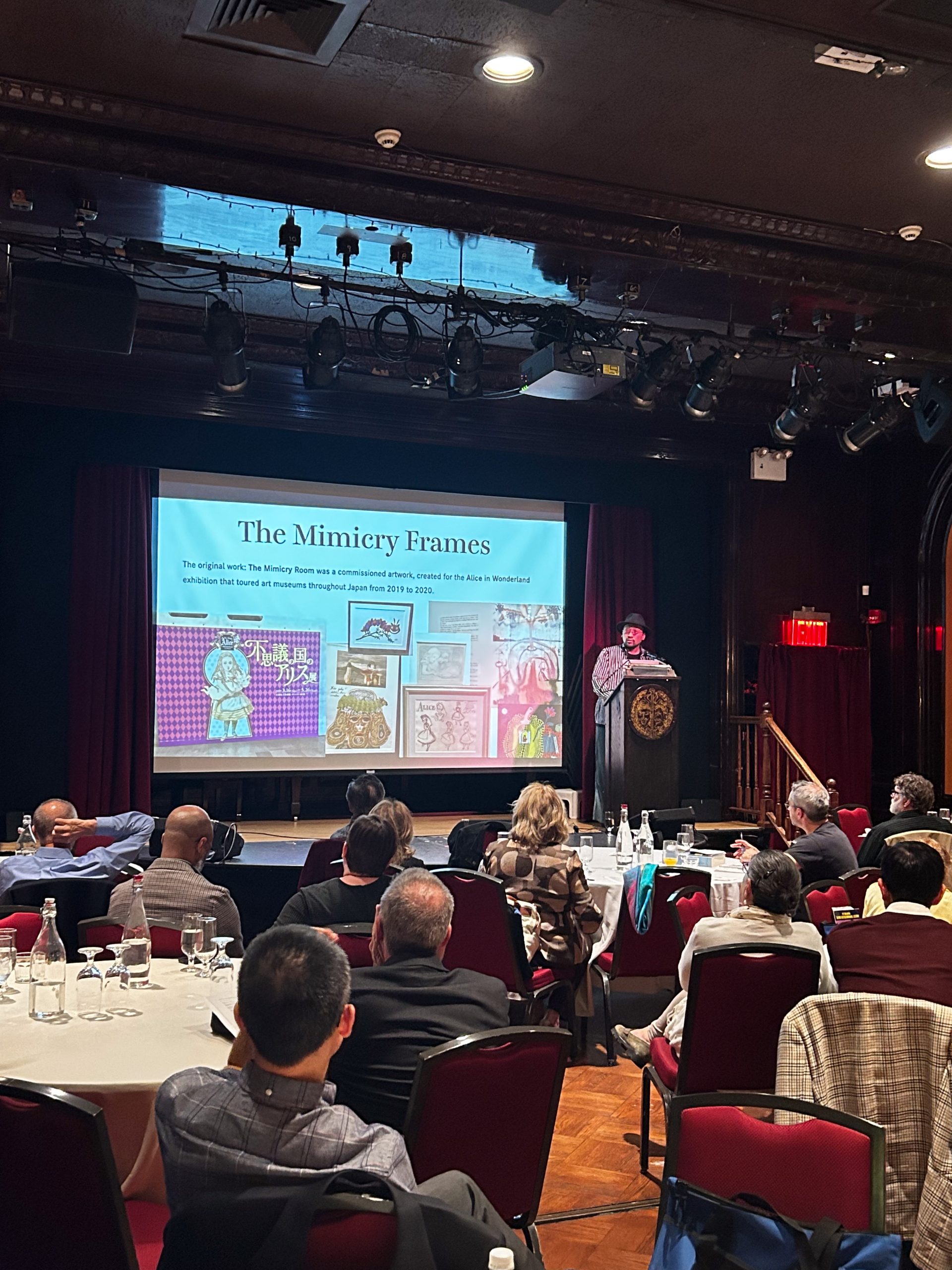
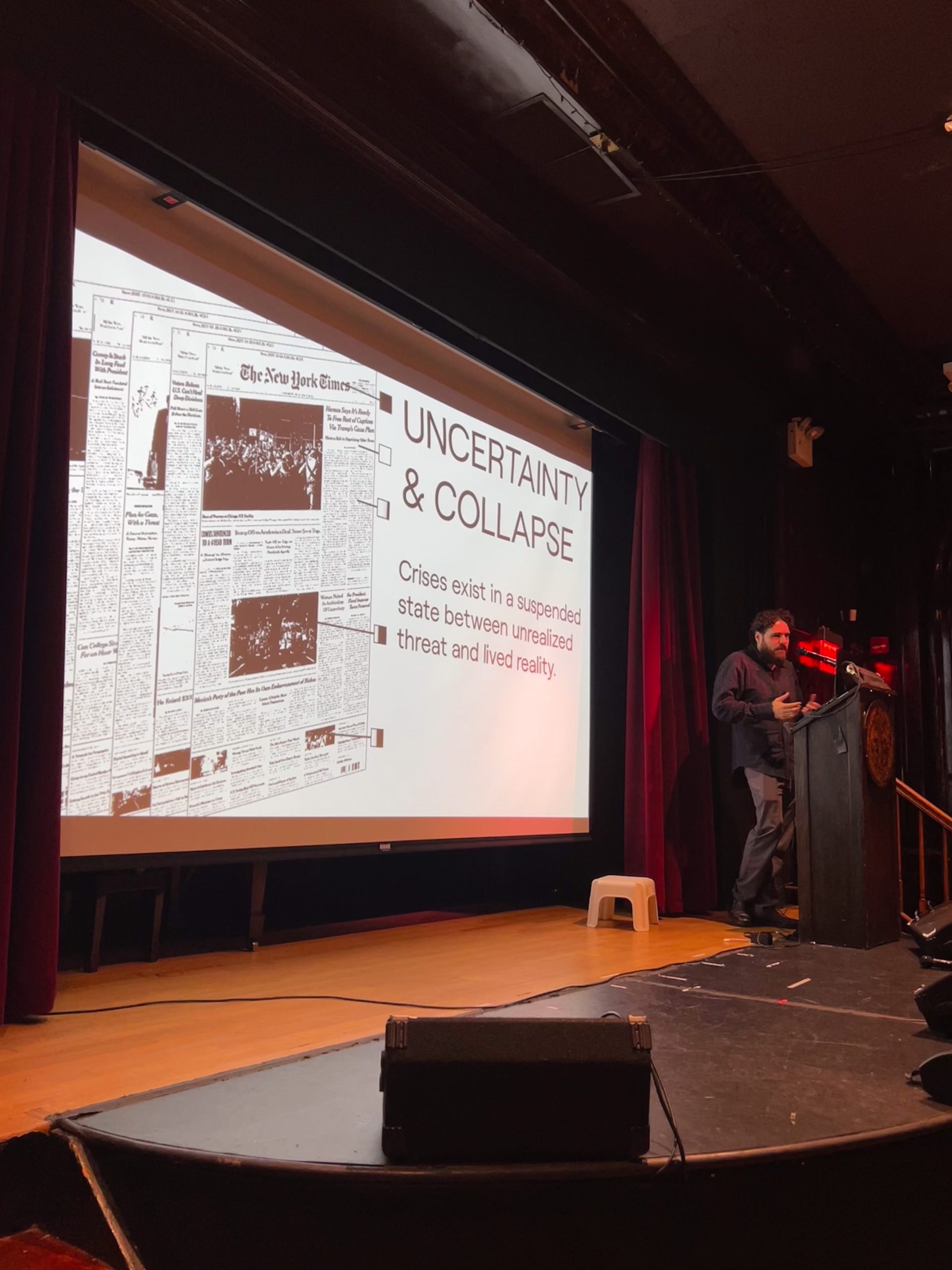
USER vs. BOT will bring together artists, scholars, and researchers from Japan, the United States, Slovenia, Argentina, Spain, Mexico, South Korea, Sweden and the United Kingdom, who will present their artworks addressing contemporary issues related to Art, new technologies, and communication.
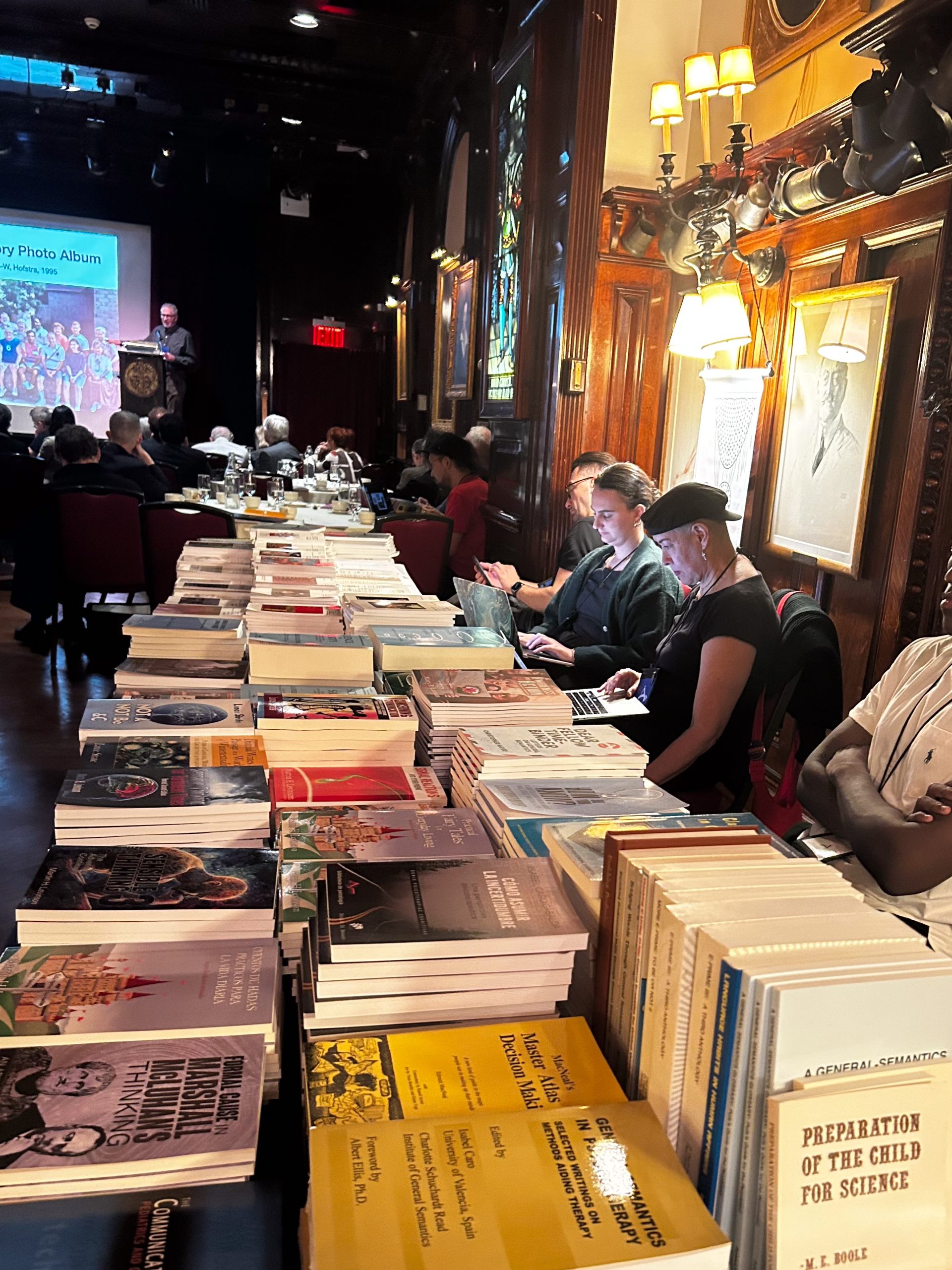
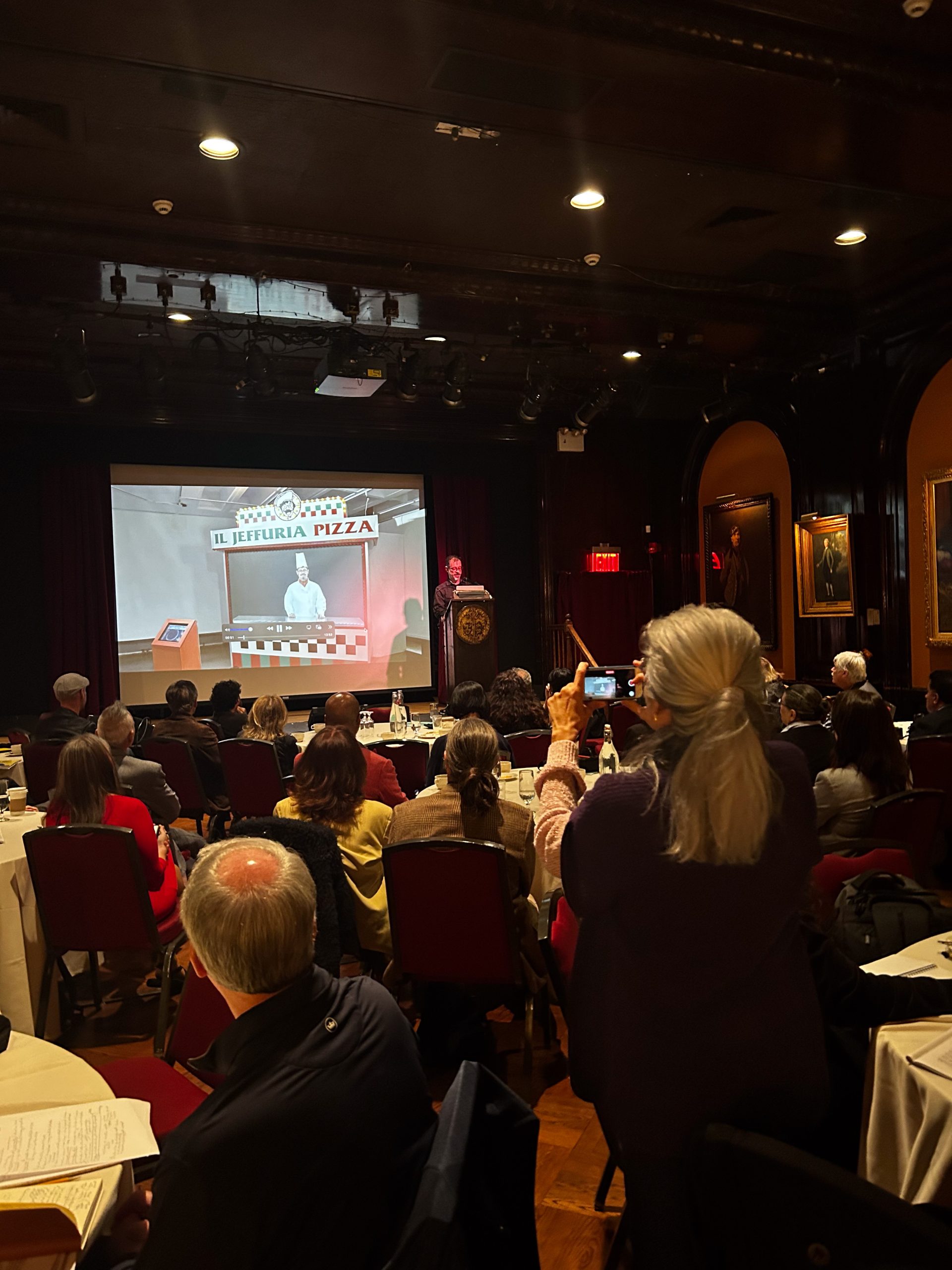
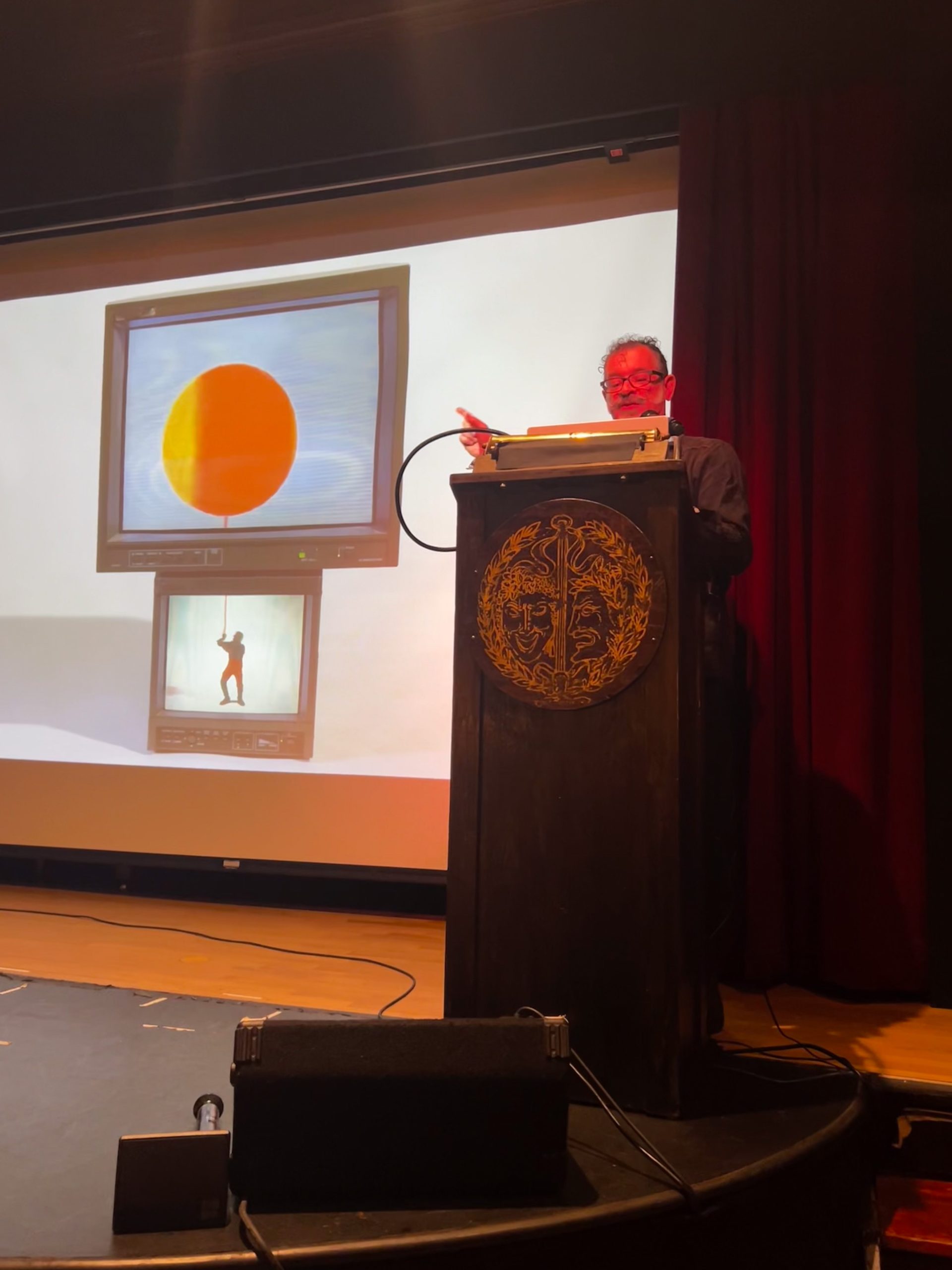
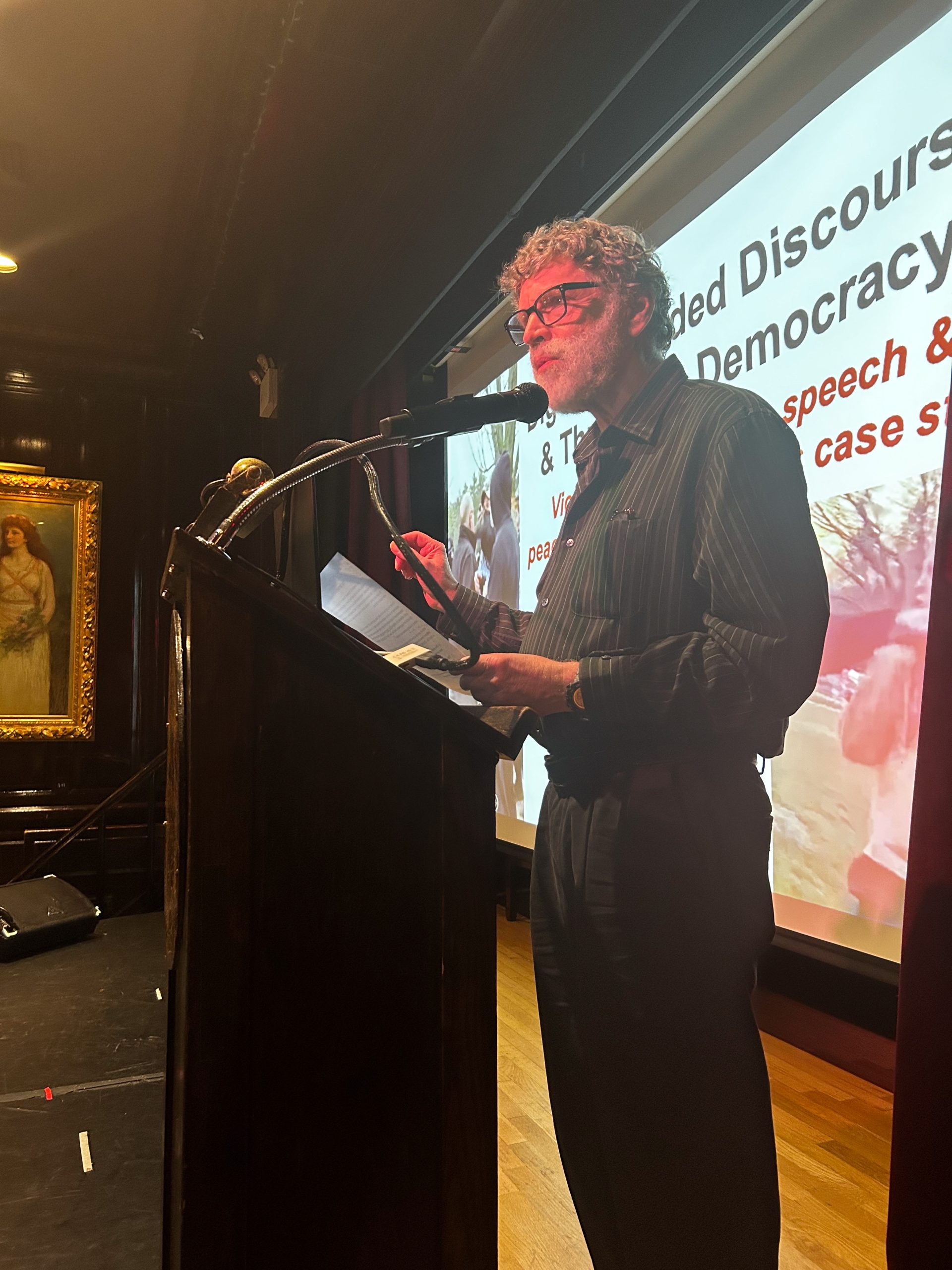
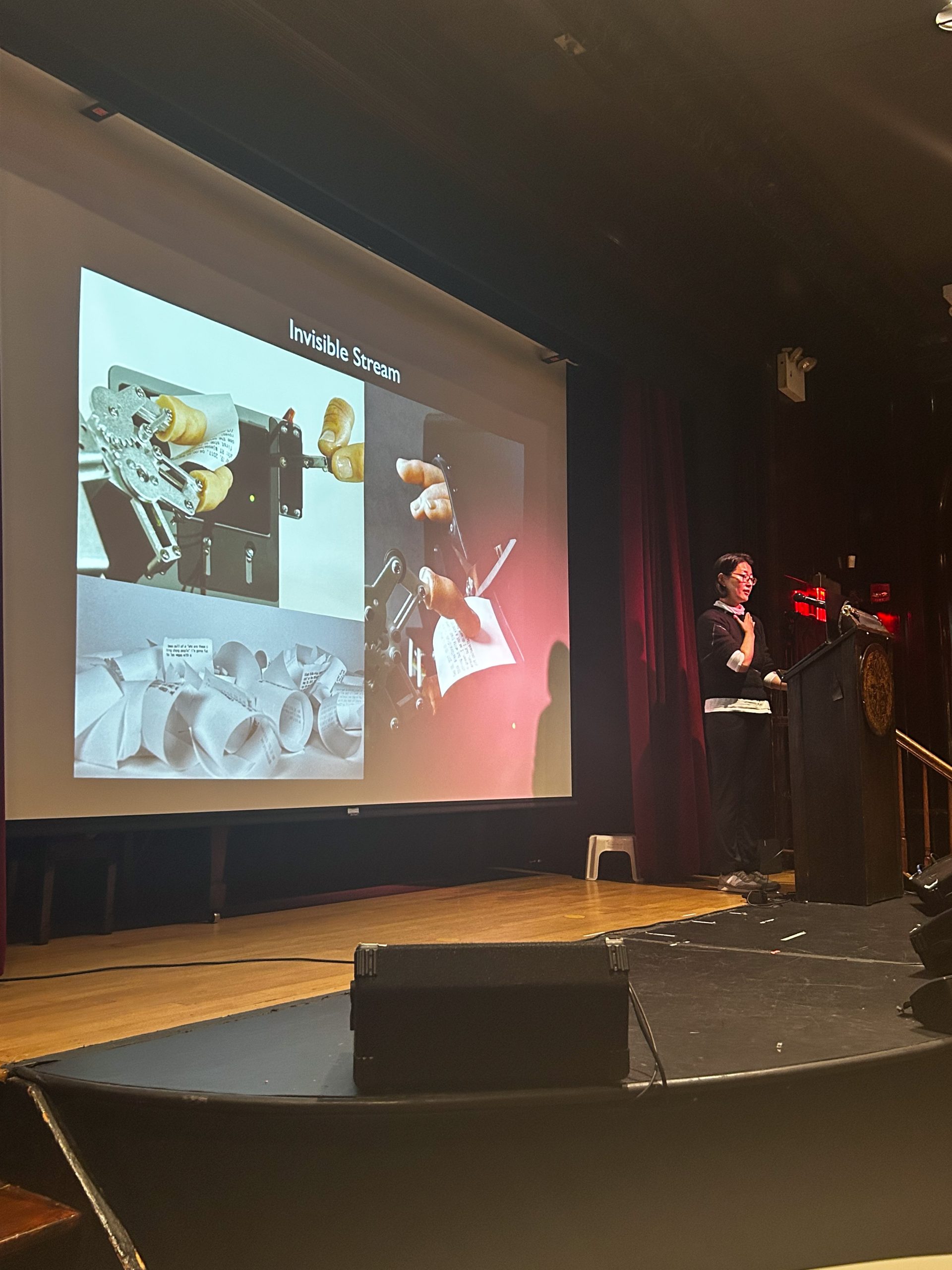
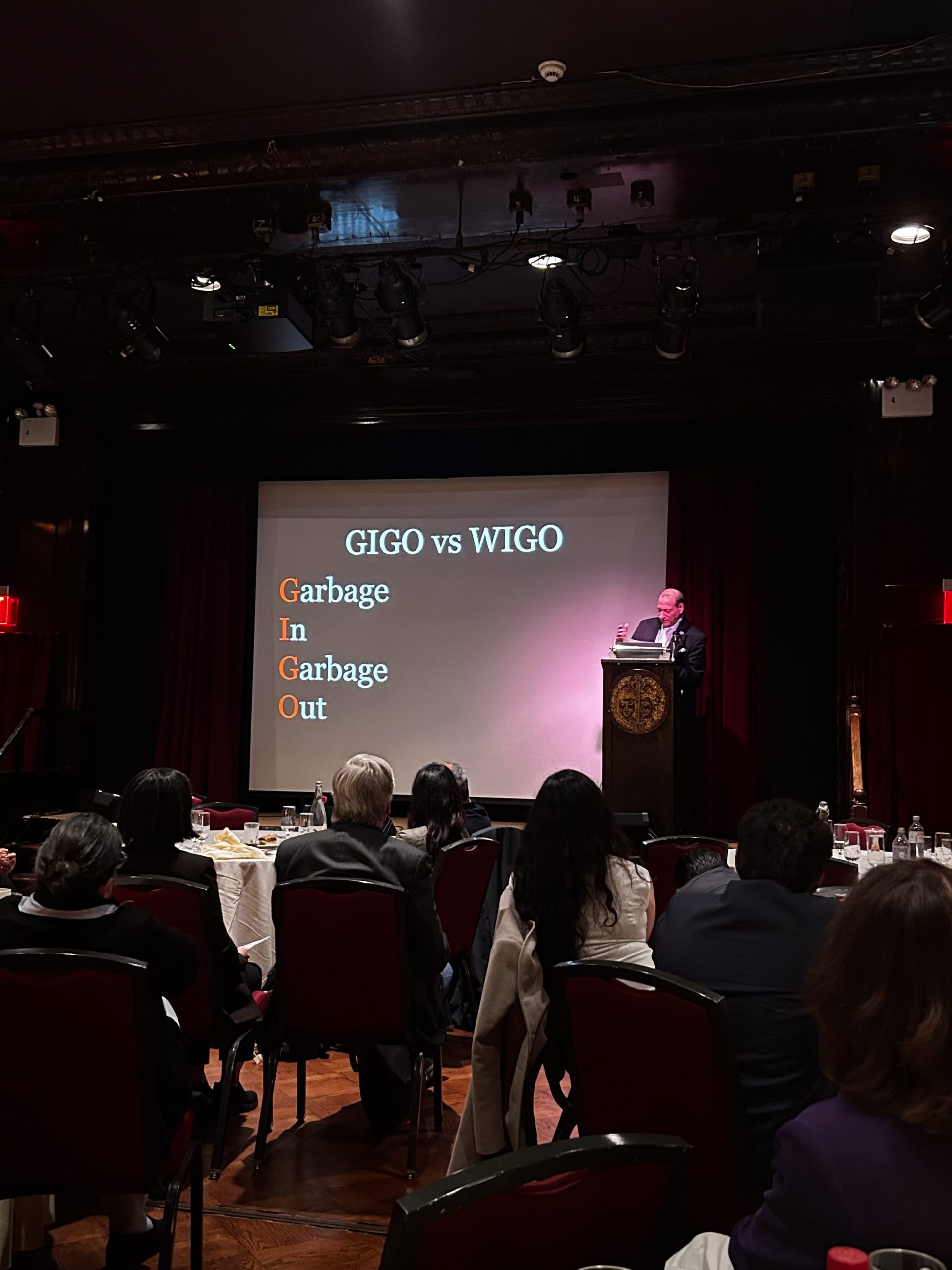
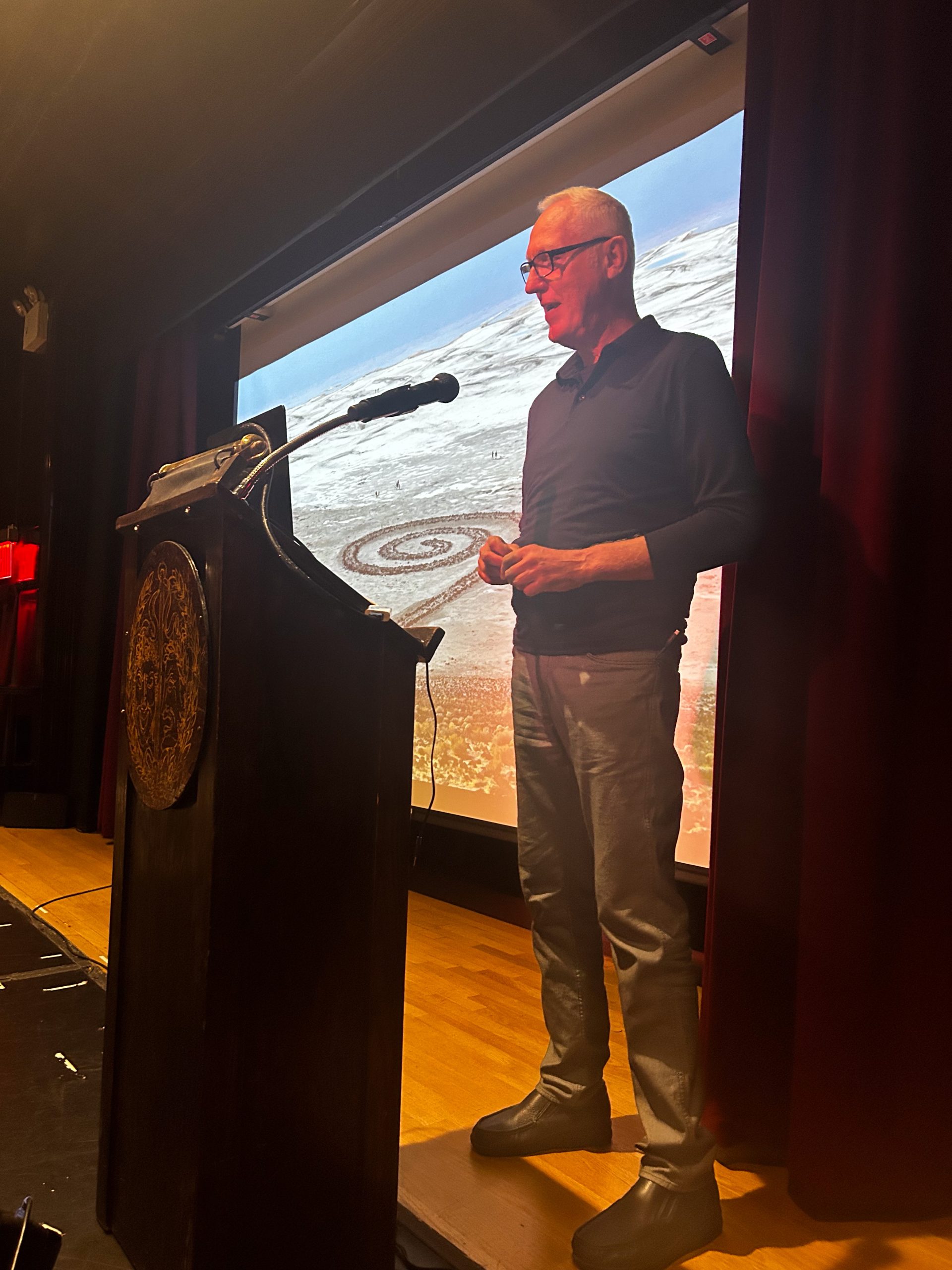
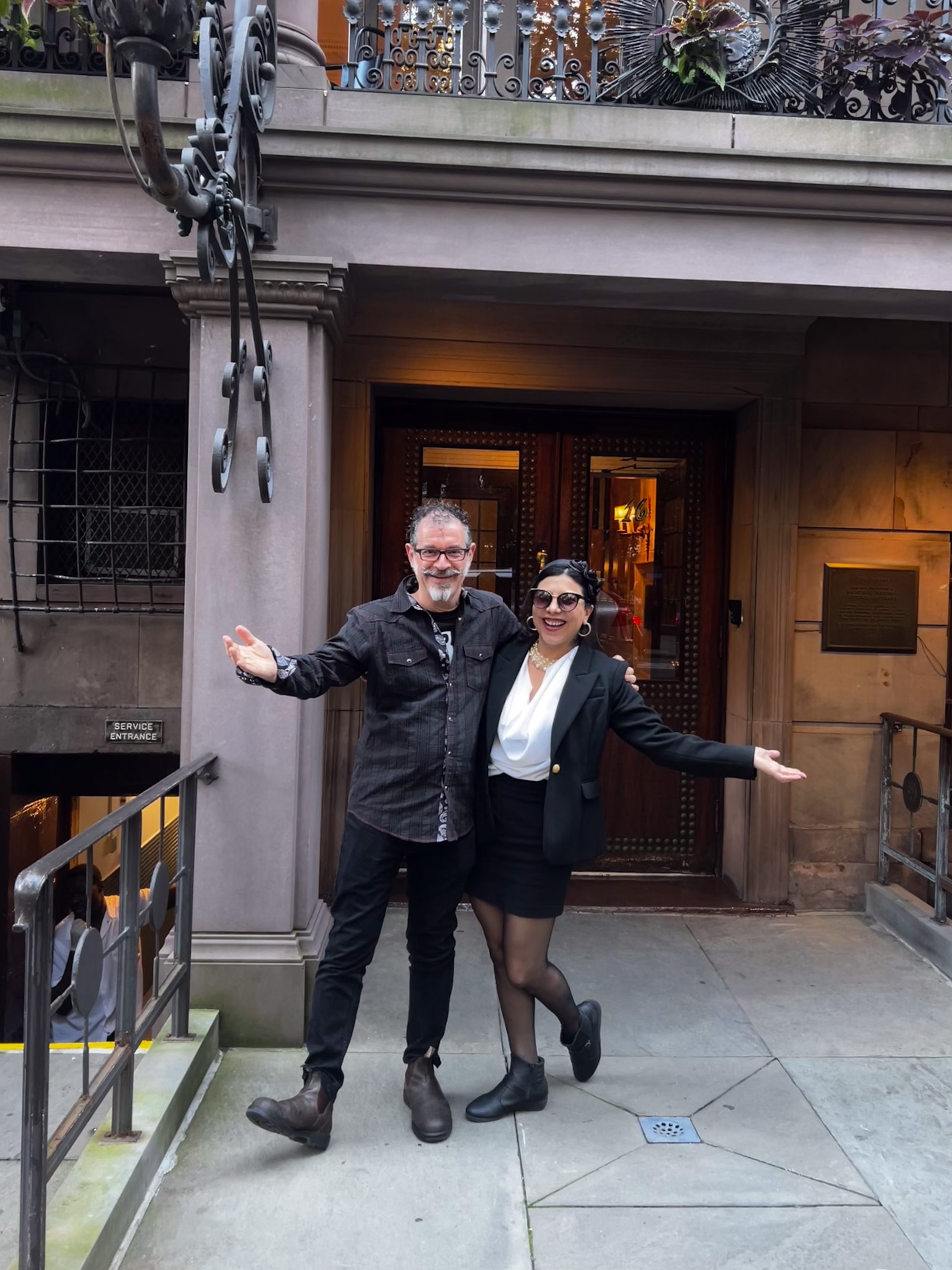
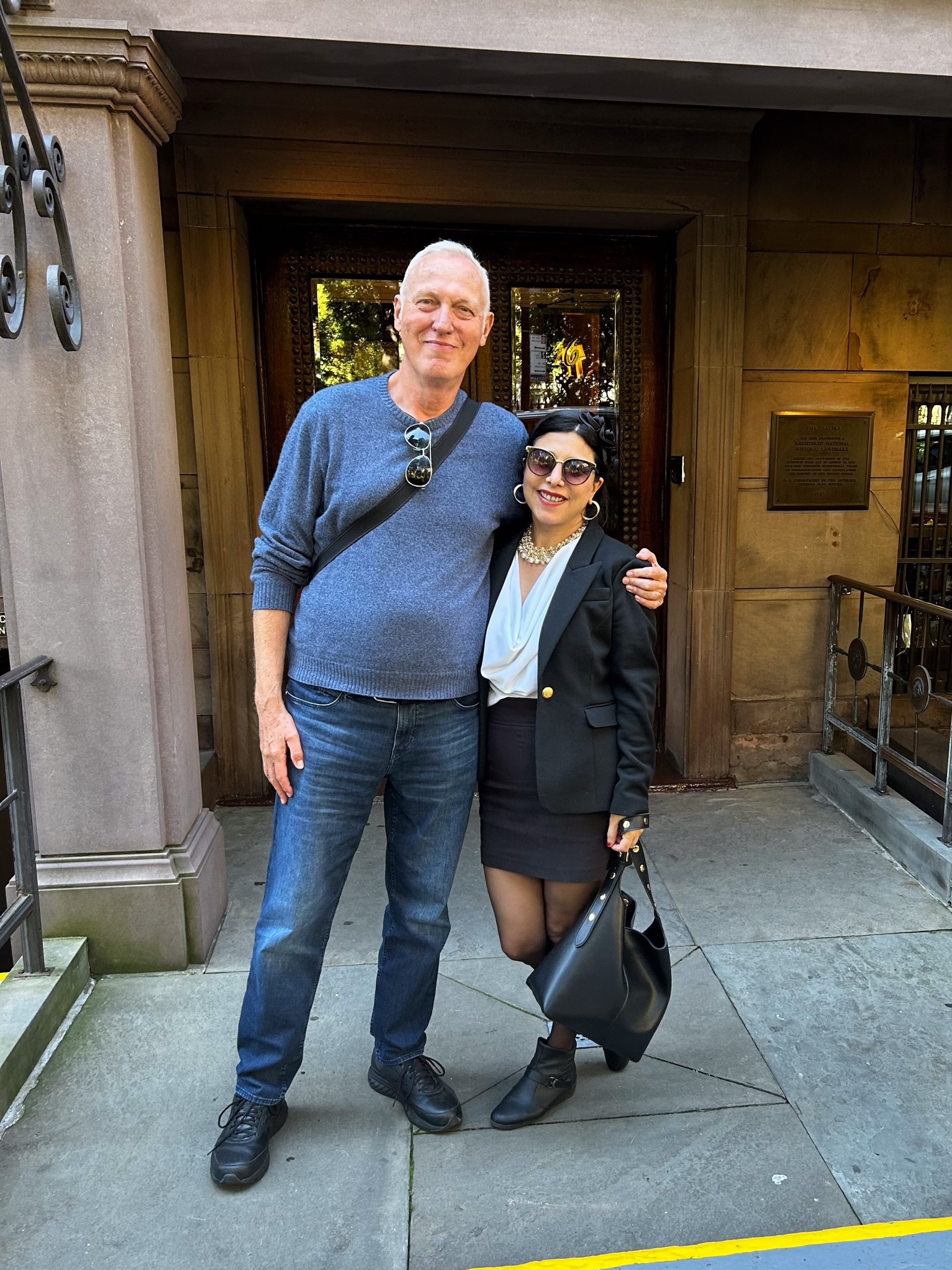
Prior to the exhibit, the artists will also speak at The Players Club (Manhattan), as part of the 73rd Conference in Commemoration of Alfred Korzybski and the Symposium on Discourse, Dialogue, and Democracy, organized by the Institute of General Semantics of New York. Click here to access the full schedule and registration info.
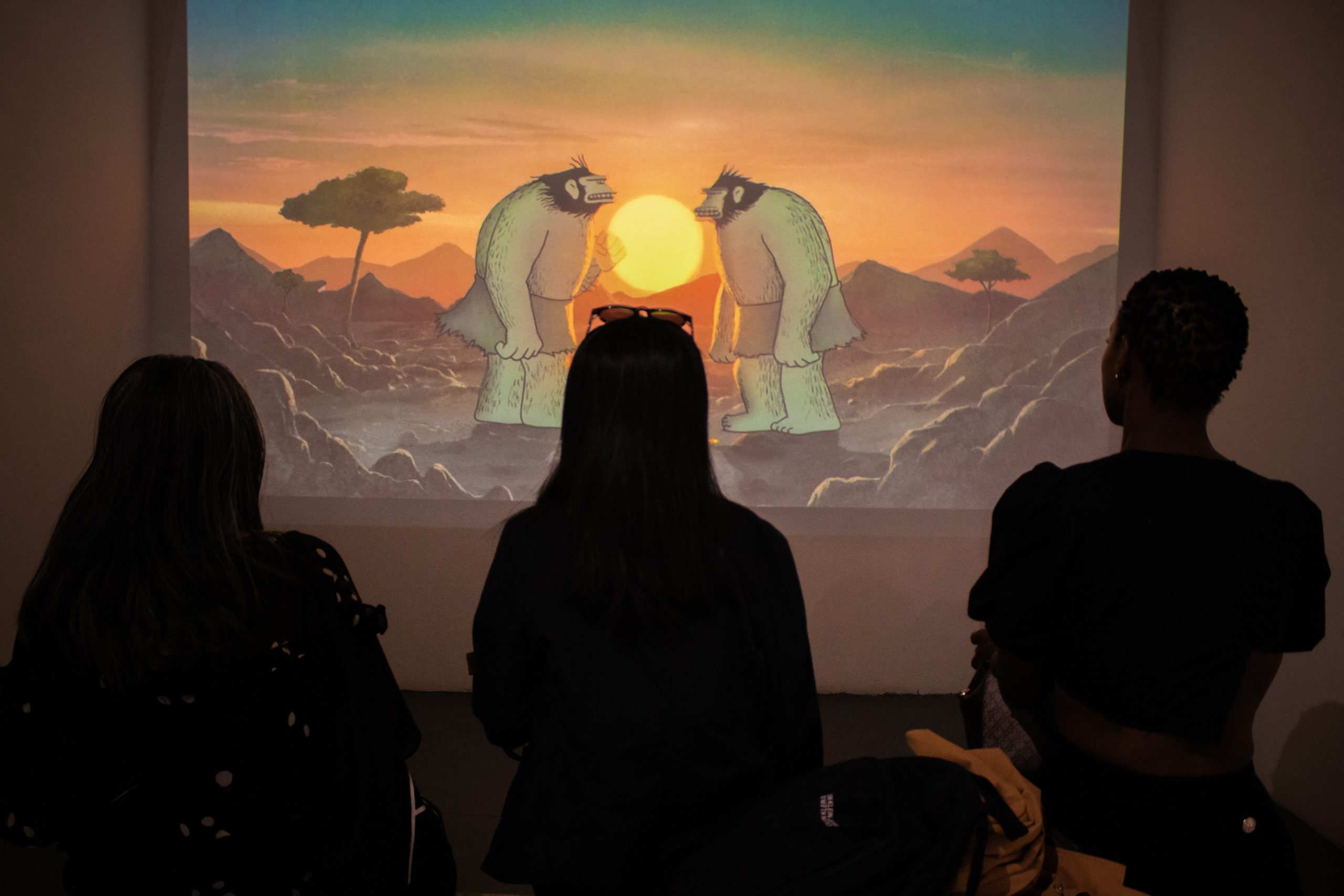
Artwork Image: Steve Cutts (UK)
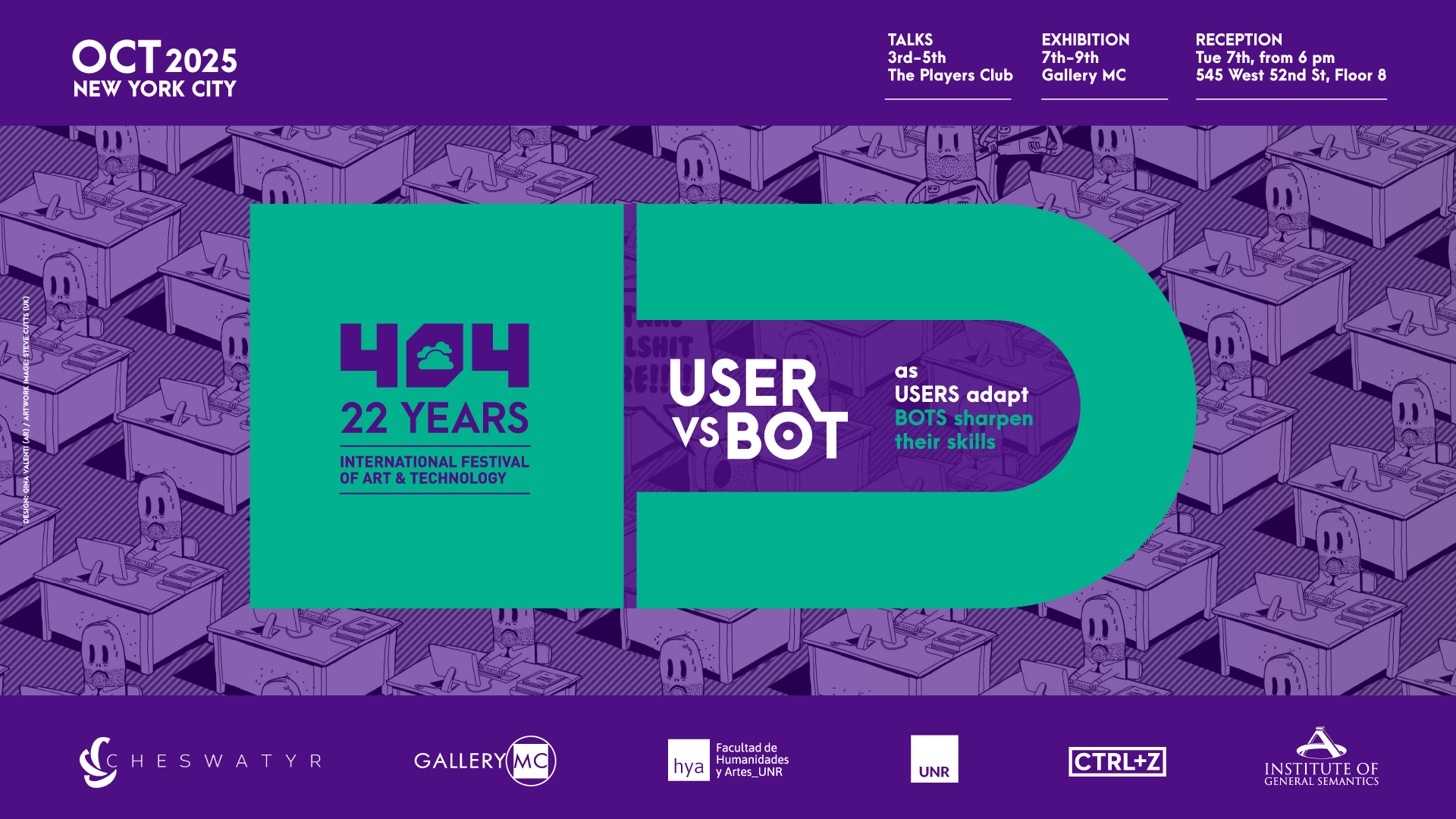
USER VS. BOT
Talk at The Players Club, Manhattan
Last year, I concluded my talk by saying that “My country has been taken by the wolf, but it wasn’t taken without anyone seeing it, it was taken without anyone interrupting him.” Not long after, the same wolf came for you, and it seems to be roaming through the weakest corners of the world, hiding among the other prédators to confuse us, to take what little we have left. But even the fiercest beast can stumble, and this is a wolf who fears his flock.
In the scenographic fate of which we are daily taking part, there are no longer purely human flocks. Robotic flocks have been inserted into our lives without any effort, encountering no resistance. If everything we invent begins to resemble the technocratic voices that justify war, it is possible that our days are numbered. There is a war that doesn’t know to whom it belongs and doesn´t even know that it has begun. A war not yet prepared to play out, but that must march onto the battlefield without having seen itself in any mirror, and that is probably why this war doesn’t recognize itself. Perhaps, what is truly human is to play at disappearing.
Eleven years ago, I wrote the annual manifesto for the 404 Festival entitled “Human vs. User”. And for that edition I designed a logo that hides 2 locks (one is open, the other one is closed). In any case, it was still a struggle between persons: those who embraced a more humane world and those who were choosing to immerse themselves in an environment where human characteristics were considered obstacles.
One of the maxims of that manifesto became a declaration of principles that still resonates in the bases of the 404 project: “Art is the expressive reaction to an oppressive system.”
This year, I decided to keep exploring that idea and take it to the next ¨Versus¨, moving forward to User vs. Bot, which became the title of this 404 Festival.
The word “robot” was first introduced in 1920 by Czech writer Karel Čapek to name the artificial workers in his science fiction play “Rossum’s Universal Robots”about the consequences of unchecked technological advancement. Čapek’s robots were not mechanical devices, but rather artificial biological beings, more similar to modern concepts of humanoid artificial life than to machines.
This word has its roots in the Old Slavic term “robota,” meaning “labor,” “work,” or “servitude.” In Czech at the time, robota specifically referred to the forced labor that farmers were obligated to perform for their feudal lords, unpaid and compulsory.
There is a modern tension between human agency and automated systems. As bots become more sophisticated, shaping our social media feeds, answering our questions, and even mimicking human behavior, the distinction between authentic interaction and programmed response begins to blur. Are we engaging with a person or a programmed script? Are our opinions shaped by genuine dialogue or algorithmic manipulation? What was once designed to assist us has become a presence that competes for attention, influence, and even identity. We’ve read and heard stories about robots rebelling against humans, but this relationship is less often reversed with humans rebelling against robots because our bonds with technology are as strong as, or stronger than, those we build with other people. In fact, it is that bond that instructs us how we will relate to others. Once we adopt them, they operate like a living organism, and we feel that expelling them would threaten our very existence.
We are witnessing an exponential leap in the development of artificial intelligence. The fact that these machines are organizing reality is not an isolated phenomenon. We need to understand it as the last stage of the convergence between hegemonic power and economic culture.
Today, it is becoming increasingly difficult to tell whether we are communicating with a person or a bot. But what is most concerning is the lack of interest in noticing the difference. Compared to a bot, humans are slower, more hesitant, and imprecise. It seems that emotion and spontaneity have definitively lost their place to the urgency of what is efficient and convenient. We are standing at a blind spot, soon to become Ex Persons.
As users adapt, bots sharpen their skills. I’m talking to you, machine. You are real as long as we are.
While “robot” implies a physical machine that can perform tasks, “bot” refers to a virtual, software-based agent, designed to perform repetitive or routine tasks automatically. Currently, the term “bot” is also used by new generations to discredit other user’s comments but lately it is becoming frequent to double check with an AI something that we hear or what we are about to say.
Former president Ronald Regan once said, “Trust but verify”. In this case, I better not trust, because verifying takes too long. But when being human must be verified by a bot, we accept it instantly, In Bot We Trust.
“User vs. Bot” raises deeper concerns about trust, authenticity, and communication power. Bots can amplify voices or suppress them. They can serve users or surveil them. In this landscape, the user must navigate a digital world where the line between real and artificial is constantly shifting. To resist becoming passive participants in a system that automates behavior, we must remain aware of what we’re consuming, who (or what) we’re interacting with, and how these systems shape our thinking, through convenience, ignorance, hate and desire.
Today, more than ever, fighting back is to fight an inner battle:
We are the most natural disasters of the world,
the storms that rain over the construction rules,
the flames burning what is never ours.
We are what is left when everything disassembles and no one can use any of those parts.
We are the house that protects our roof,
the reasons of our doubts,
the fathers of every unknown,
the friends of those who do not return,
the hope of all unfair death,
the contemporary fable of a historical truth.
What we are is what we humanize.
Gina Valenti
October 4th, 2025
ARTISTS 2025
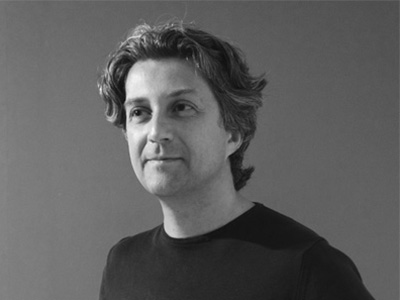
Aristarkh Chernyshev
Russia
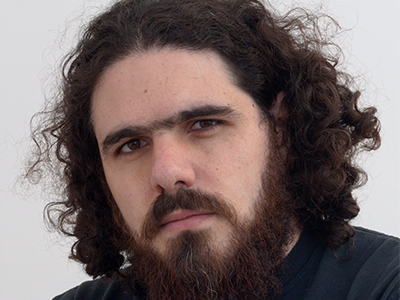
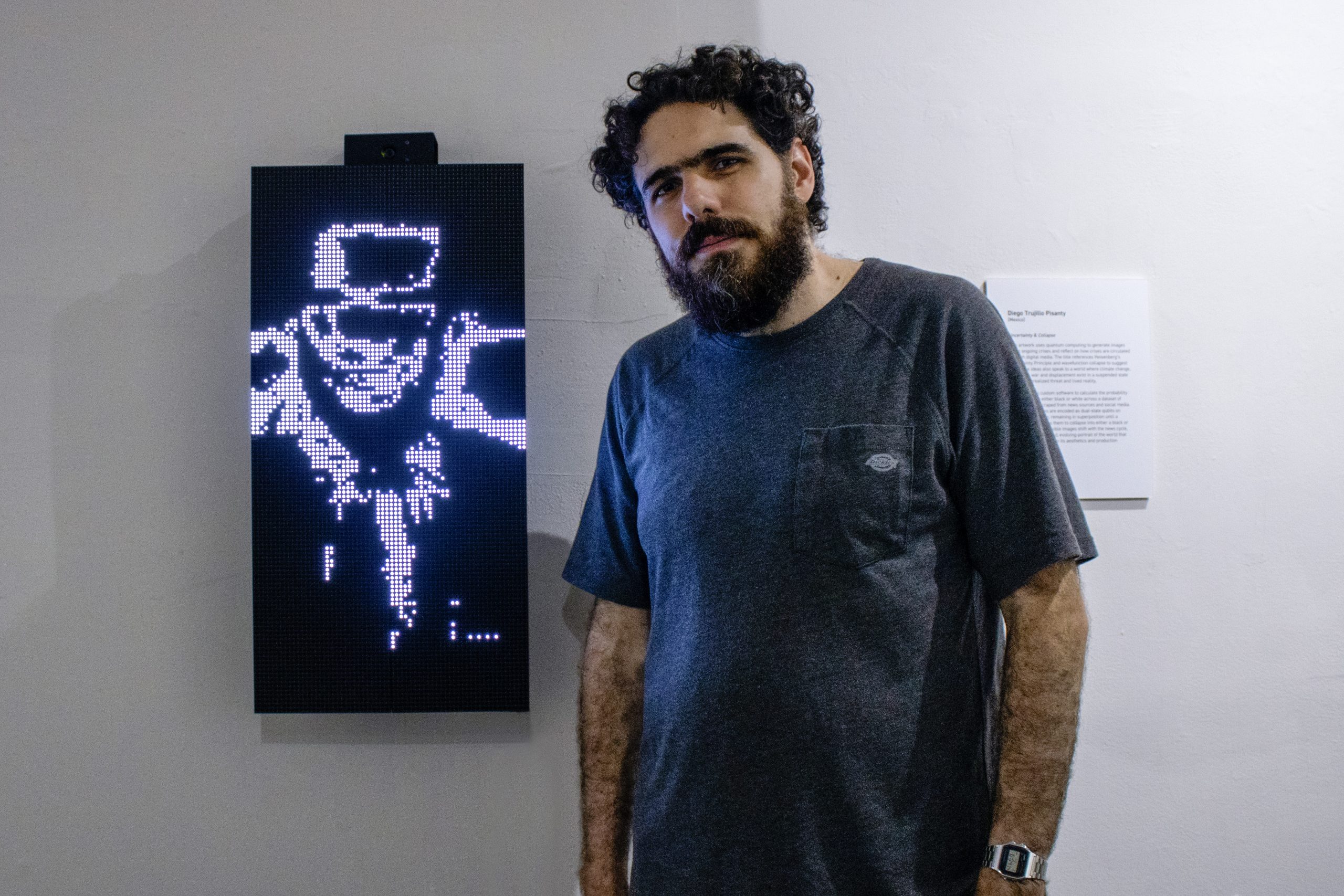
Diego Trujillo Pisanty
Mexico
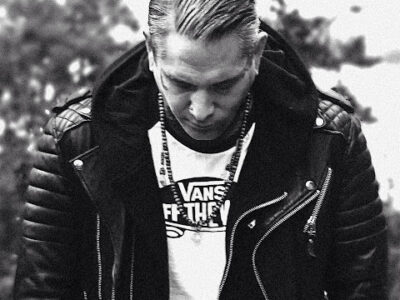
Fredrik Jonsson
Sweden
Gina Valenti
Argentina
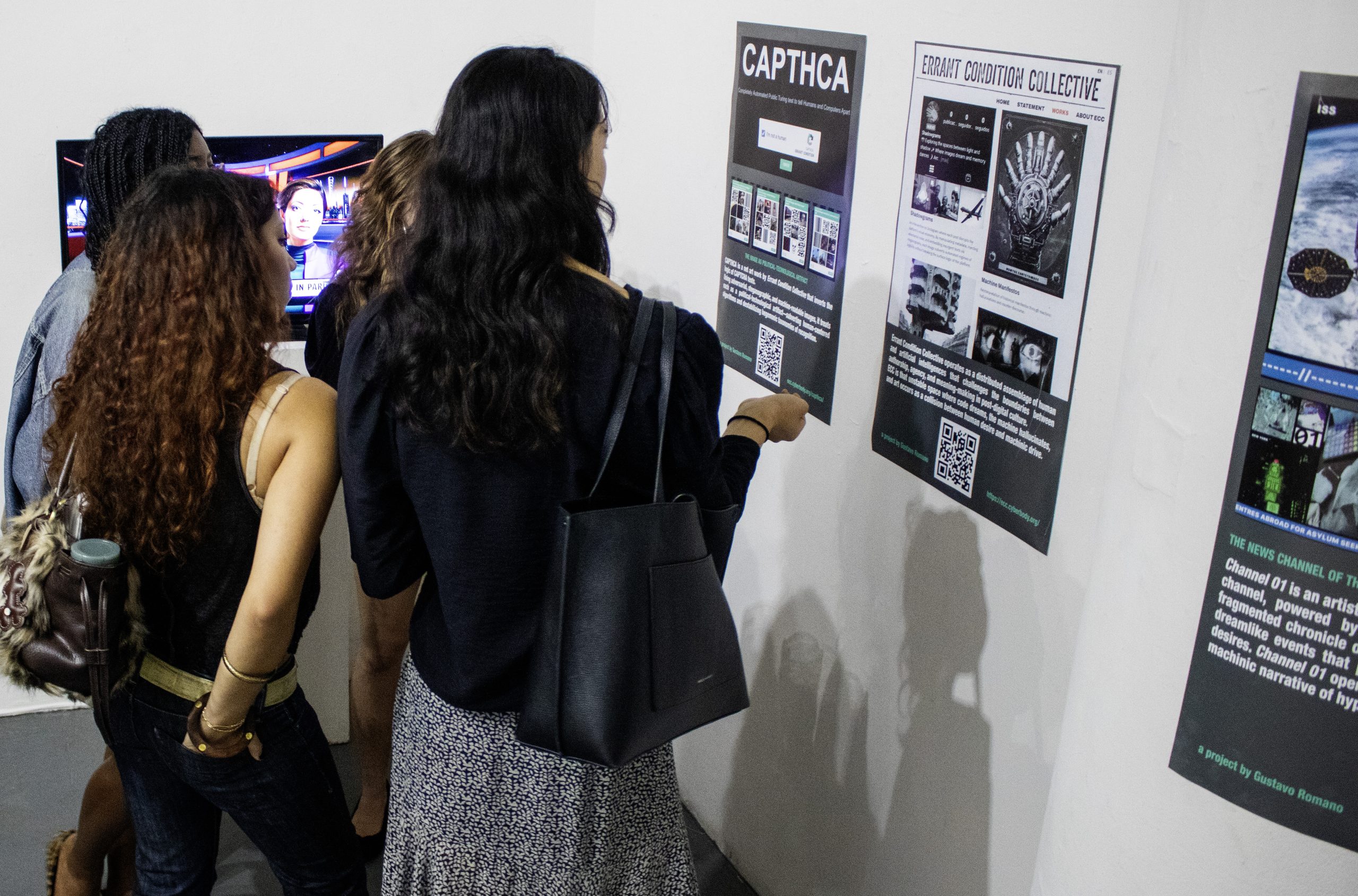
Gustavo Romano
Argentina / Spain
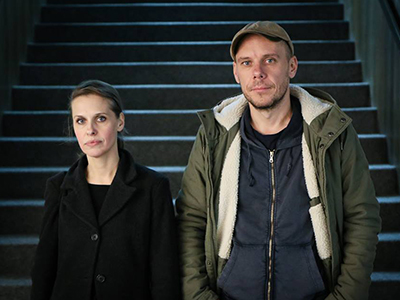
Nika Oblak & Primoz Novak
Slovenia
Sadam Fujioka
Japan
Smomid
USA